

Cryolab
The Cryogenic Research Laboratory within CUSAT's Department of Instrumentation focuses on pioneering research in cryogenic instrumentation, cryo-electronics, cryogenic non-destructive testing (NDT), cryosystem design, and related fields.
Funded Projects
- DAE-BRNS
- SERB-CRG
- RUSA 2.0
- KSUM
Research Areas
- RRR Measurement Systems
- Cryogenic Vacuum Pump
- LN2-based Cryostat
- Instrumentation for Two-Phase Flow
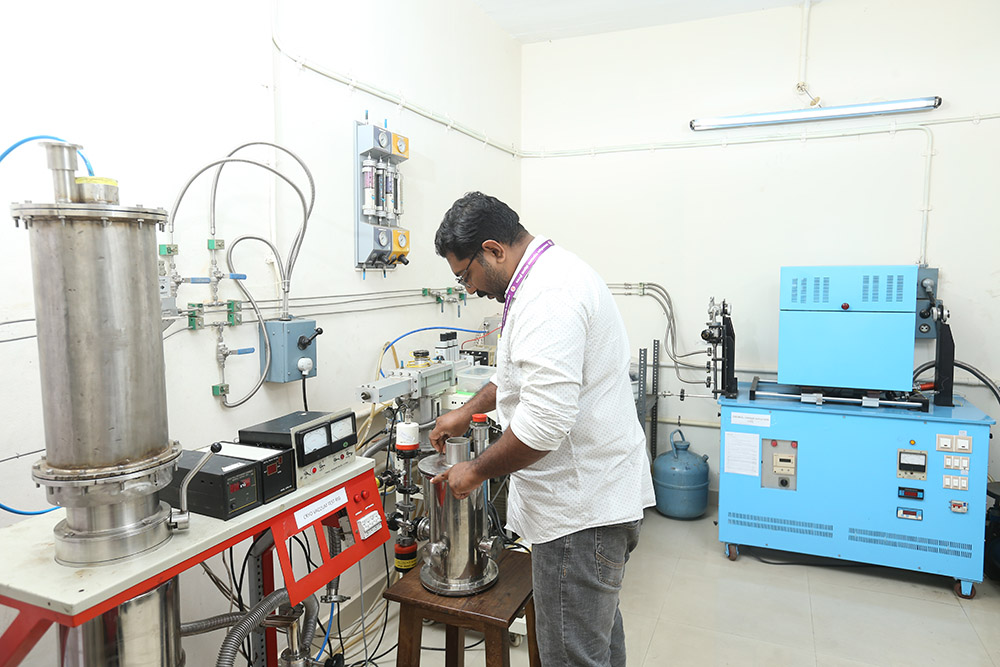
RRR Measurement
Some of the work currently being undertaken by PhD research scholars includes:- Design and development of Multilayer Planar inductor-based RRR measurement system for thin film Niobium coated Superconducting RF cavities.
- Design and development of a setup to measure the impedance changes at room temperature using planar inductors.
- Design and fabrication of sensing elements capable of working at a temperature of 4.2 K.
- Coating of Niobium on copper with different thicknesses and qualities.
- Developing RRR measurement setups and methods.
- Analysis of Impedance data.
Cryogenic Vacuum Pump
Research activities include:- Development of high-performance cryo-adsorption vacuum pump with field-assisted accelerated gas flow.
- Study of pumping efficiencies of various cryo-panel assembly orientations.
- Effect of electric field in driving ions in cryo-adsorption vacuum chamber.
Cryostat
Areas of focus:- Design, development, and optimization of LN2-based Cryostat.
- Thermal conductivity study of materials in cryogenic temperatures.
- Measurement of adhesive strengths and stability in cryogenic temperatures.
Instrumentation
Projects include:- Characterizing and Visualizing Cryogenic Two-Phase Flow through Transfer Lines.
- Development of sensors and measurement methods.
- Visualization techniques for cryogenic flow.
The Signal Processing Research Laboratory
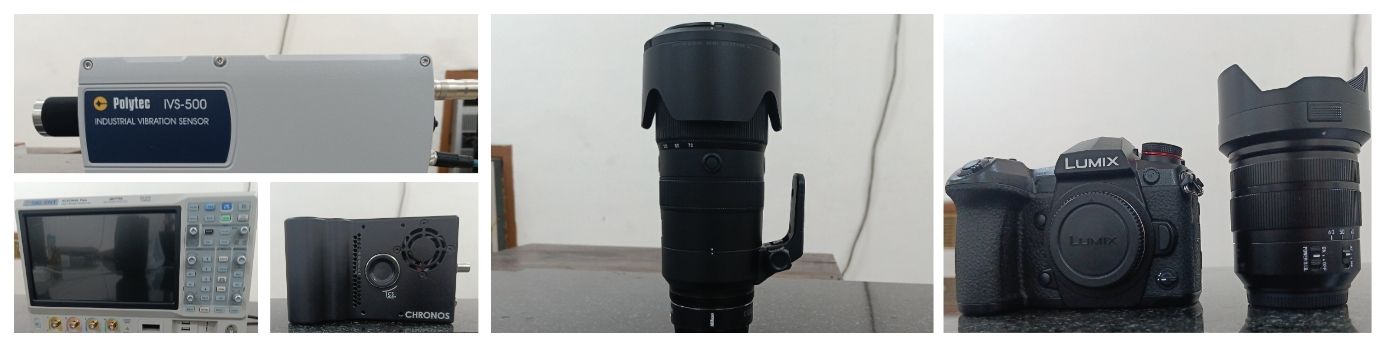
The Signal Processing Research Laboratory within CUSAT’s Department of Instrumentation stands at the forefront of digital signal processing technology, dedicated to advancing the analysis, interpretation, and manipulation of signals. The lab is equipped with cutting-edge technology and facilities which supports research in areas of vibration analysis, audio enhancement, image processing, biomedical image classification and blind separation of acoustic signals, etc. Currently, the lab is engaged in projects funded by RUSA 2.0. Ongoing doctoral research at the lab includes several innovative projects:- Visual Vibrometer Development: This project aims to capture voice and analyse vibrations using novel image processing algorithms that extract vibration amplitudes and sound signals from footage captured by high-speed video cameras. It also involves developing machine learning-based techniques for speech enhancement.
- Distant Voice Acquisition: Utilizing a Laser Doppler Vibrometer, this research focuses on capturing voices from a distance, enhancing the clarity and quality of the captured audio.
- Computer-Aided Cancer Detection in Histopathology Images: This research is
pioneering in two main approaches:
- Utilizing wavelets and textural features for the detection of cancer. Employing patch-based algorithms for improved cancer detection accuracy.
- Single-Channel Blind Source Separation:This involves creating innovative algorithms to isolate individual audio sources from a mixture recorded by a single sensor. The project integrates cutting-edge machine learning techniques to refine these algorithms, optimizing them for real-time signal processing applications.
Sensor and Material Science Lab
Current research interests include instrumentation, soft computing, signal processing and sensor materials and devices photoacoustic and photothermal approaches, amorphous semiconductors, ion implanted Si and SiC, CVD diamond. He has executed Interdisciplinary and collaborative research promoted through Virtual centres resulting in getting major projects in ultrafast laser facility, marine genomics, sensor technology etc.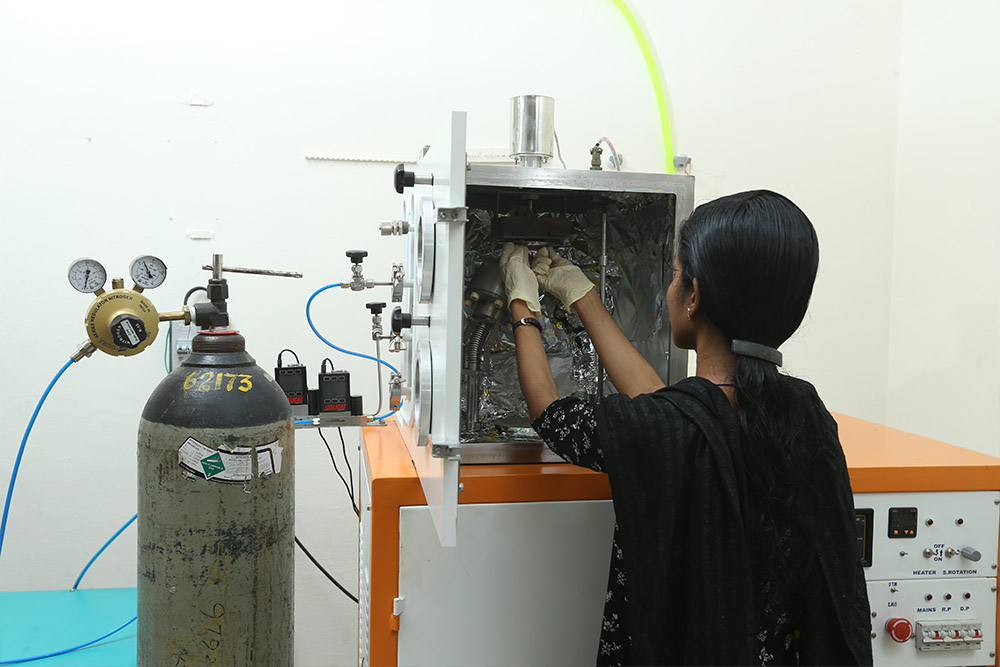
Reaserch Areas:
Sensor Data Fusion for IoT and Industrial Applications
Modern devices and systems come equipped with a variety of sensors, offering extensive data collection capabilities. Leveraging these technologies enables enhanced decision-making accuracy and reliability without the need for human intervention. Data fusion serves as a powerful method for effectively integrating and utilizing large amounts of data from diverse sources. Emerging fields like Internet of Things (IoT), structural health monitoring, deep learning for data integration, smart cities, and various industrial applications stand to significantly gain from the fusion of sensor data.Development of Photonic Crystals based Biosensors in Various Biomolecules detection
Biosensors are widely used in clinical settings worldwide to identify a wide range of diseases and health disorders. PhC-based sensors will have a major impact on the industry and have been essential in the field of optical sensors, particularly in determining the sensitivity of different biomolecules in the detection of blood components, cancer, and malaria.Development of semiconductor metal oxides for gas sensing application.
Due to environmental protection policies, medical diagnostics, and the automotive, aerospace, and home industries, there is a demanding market for sensors that detect gas atmosphere. Therefore, there is great interest in the development of highly selective, sensitive, and quick-responding gas sensor materials.Robotics & Control Lab
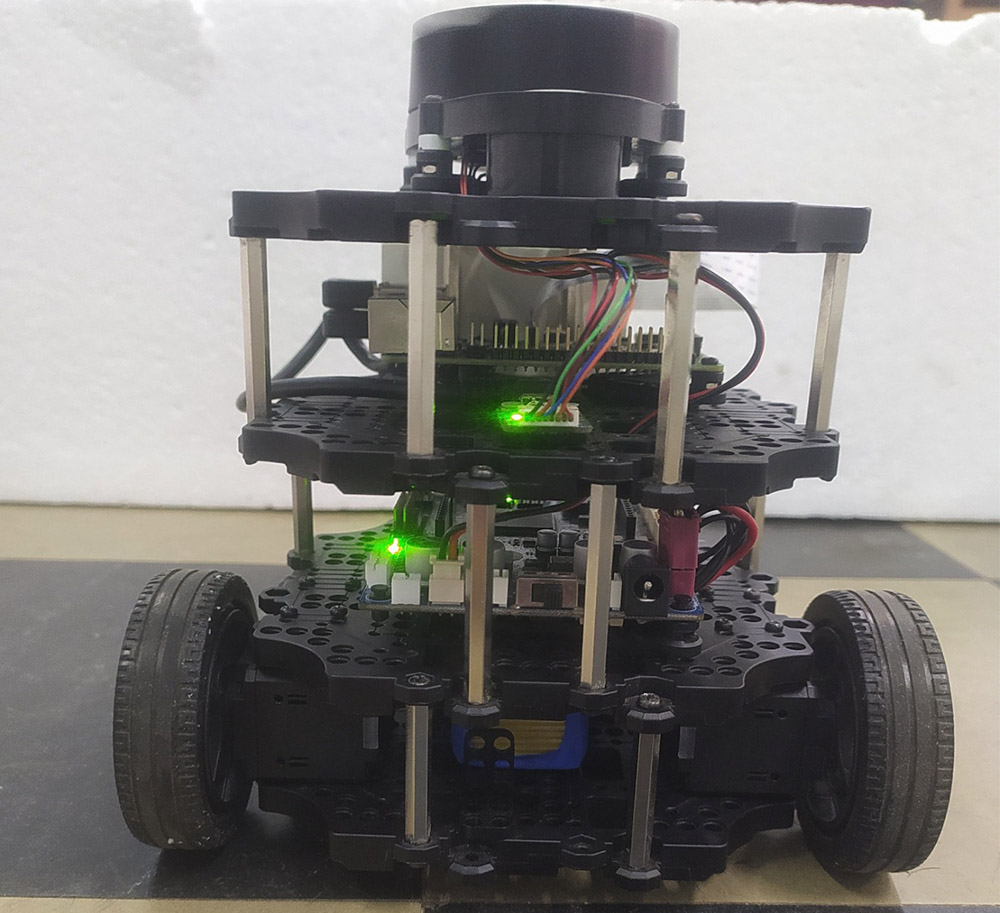
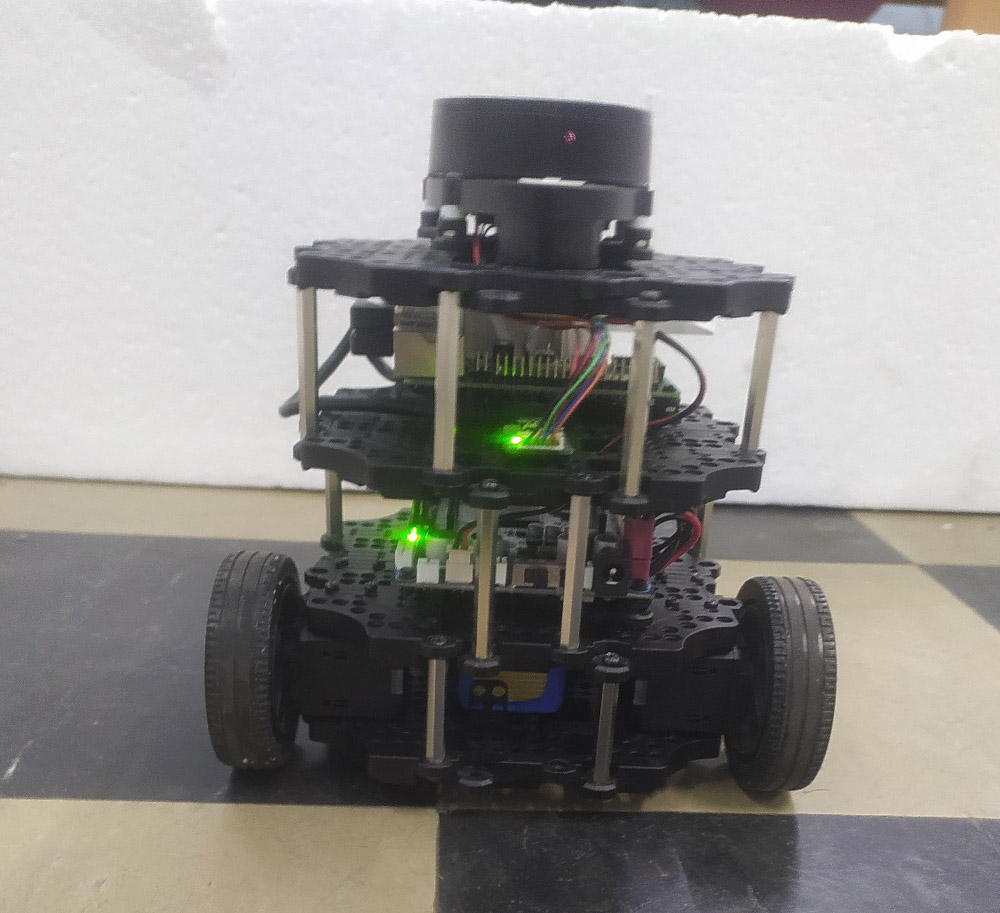
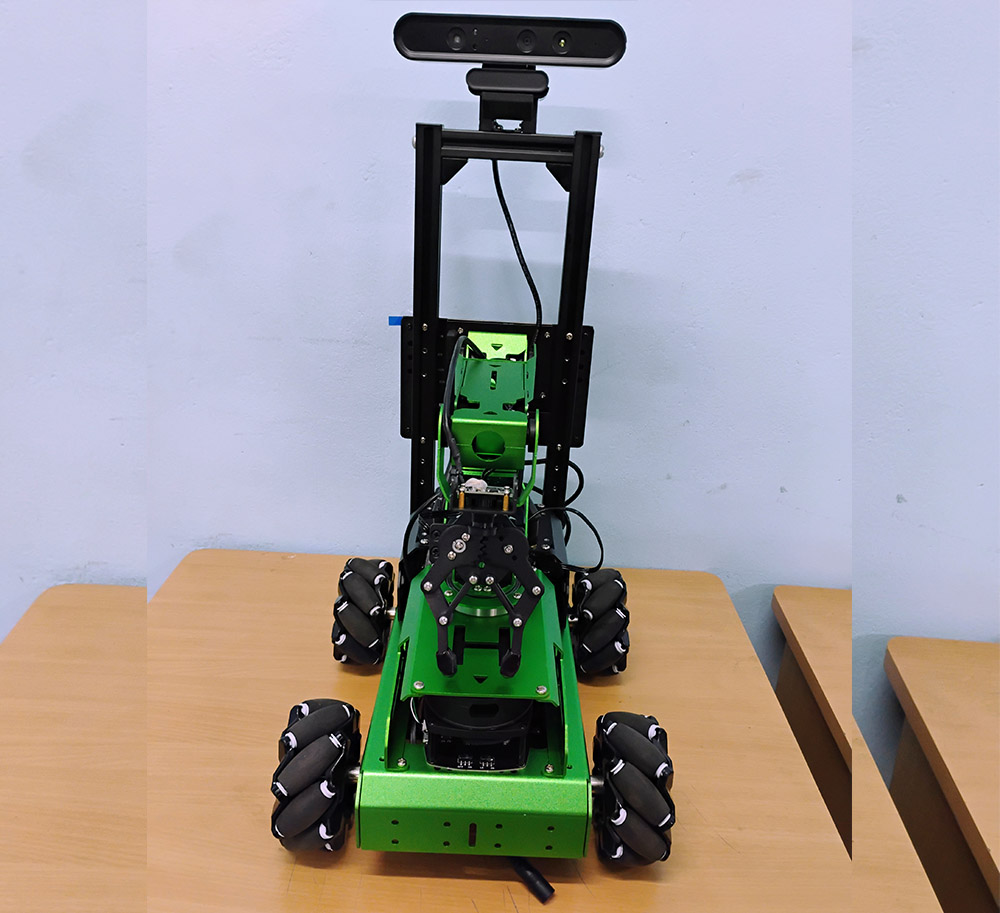
Welcome to the Control Engineering Laboratory in the Department of Instrumentation at CUSAT. This research laboratory was established in the year 2022. A small group of faculty and students work here to advance the level of research in Robotics & Control and related areas. Major areas of focus of research are Mobile Robotics, Manipulator Kinematics, Fractional-order systems, and Fractional-order control. Currently, the lab is actively involved in the implementation of a RUSA 2.0-funded project.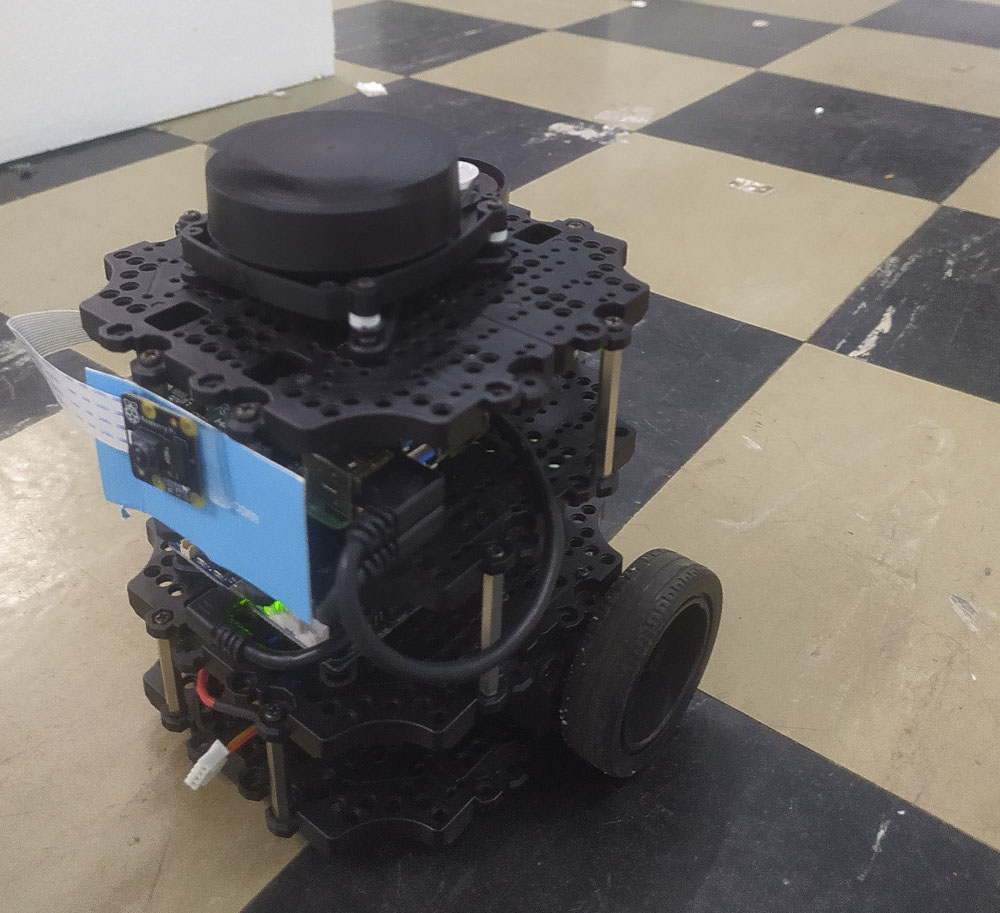
Antenna Design Lab
Patch antenna development for various applications represent a dynamic frontier in wireless technology innovation. Design engineers meticulously craft these antennas to meet diverse needs across industries, including telecommunications, aerospace, and IoT devices. Each application demands unique specifications, driving researchers to explore novel materials, geometries, and feeding techniques to optimize performance. Whether it's achieving high gain for long-distance communication, enhancing bandwidth for data-intensive applications, robustness for harsh environmental conditions,or ensuring safe use of these devices, patch antenna designers navigate a complex landscape of trade-offs to deliver solutions that excel in efficiency, reliability, and versatility. Through continuous refinement and innovation, patch antennas continue to play a pivotal role in advancing wireless connectivity across a broad spectrum of applications.CONTENT FIR TAB 2
CONTENT FIR TAB 3
CONTENT FIR TAB 4